
Jeremy Irons and Luigi Lo Cascio
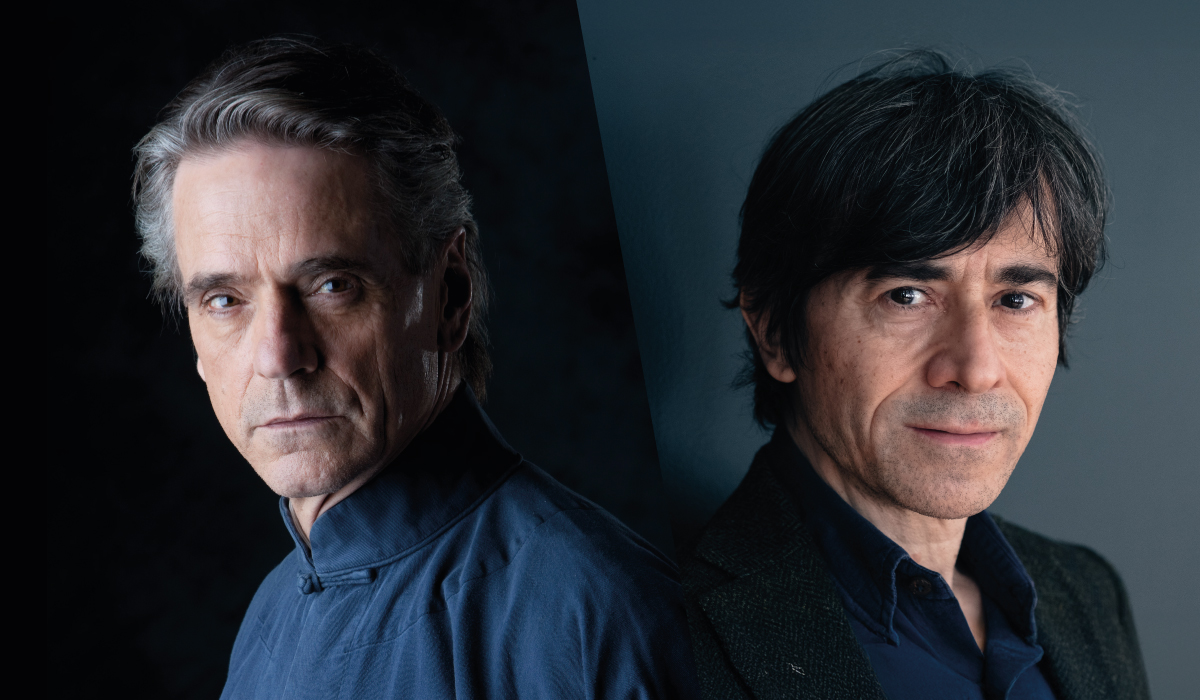
JEREMY IRONS
and LUIGI LO CASCIO
Protagonists of European and Italian Cinema
27 Festival Cinema Europeo, 2026
The European Film Festival has announced the lineup for the “Protagonist of European Cinema” and “Protagonist of Italian Cinema” sections of its 27th edition, taking place in Lecce from November 7 to 14 at the Multisala Massimo: British actor Jeremy Irons and Italian actor Luigi Lo Cascio. These are two highly talented performers representing distinct artistic paths, yet united by a strong auteur sensibility, versatility, and the ability to bring complex, unforgettable characters to life.
“Having Jeremy Irons and Luigi Lo Cascio in Lecce means celebrating two extraordinary actors who—despite hailing from different cinematic traditions and generations—have made artistic exploration, depth of performance, and the quality of their creative choices the core of their work,” states Alberto La Monica, the Festival’s artistic director. “With their presence, the Festival reaffirms its mission to tell the story of cinema through its key figures and to foster a direct dialogue between great performers, filmmakers, and the audience. This promises to be a particularly significant edition, where European and Italian cinema converge through two artistic figures of exceptional stature.”
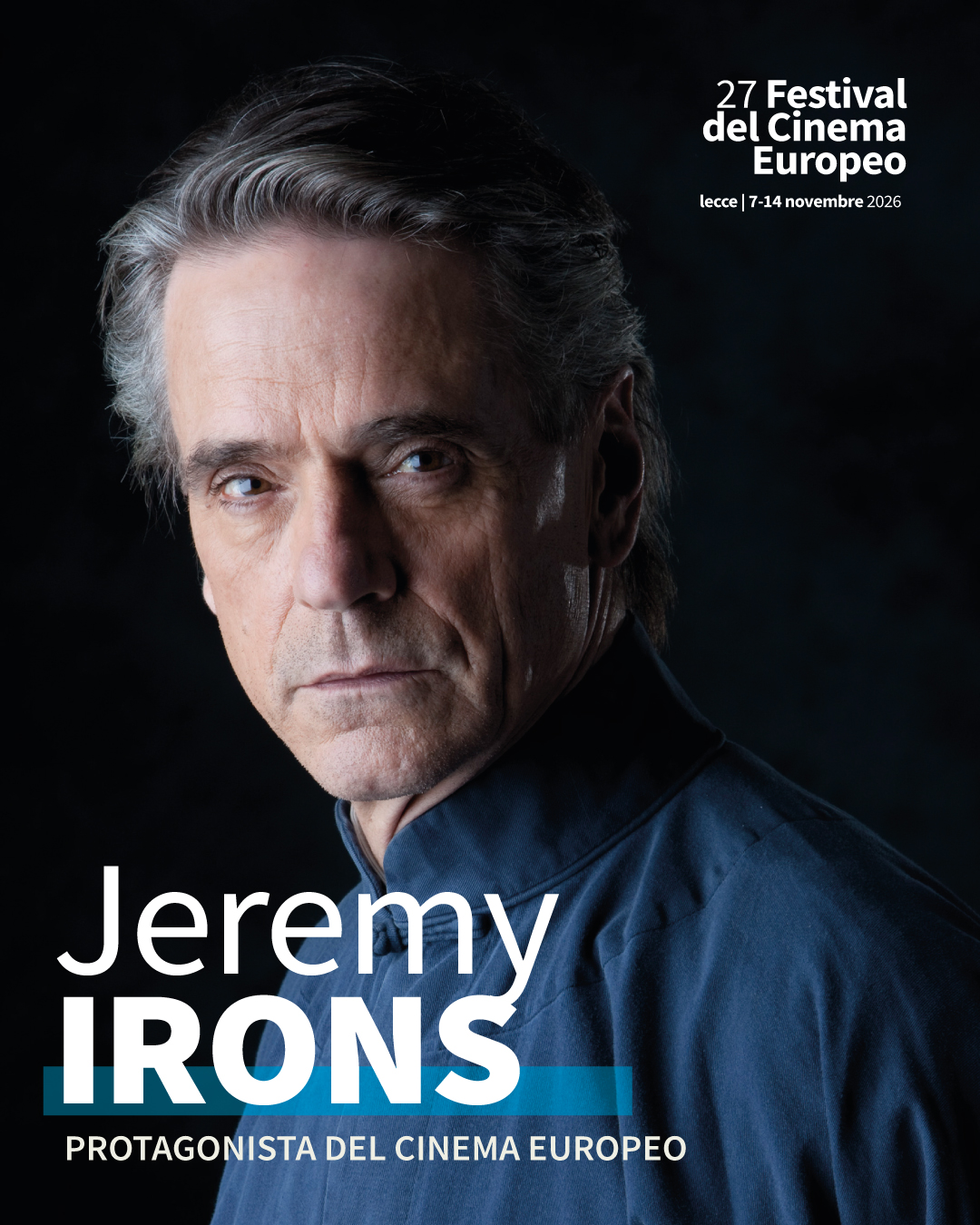
Jeremy Irons, a global cinema icon and one of the few actors to have achieved the prestigious "Triple Crown of Acting"—an Oscar, an Emmy Award, and a Tony Award—boasts a career spanning over fifty years. His work includes major classics and collaborations with some of the world's most important directors: from Karel Reisz’s *The French Lieutenant's Woman* and Roland Joffé’s *The Mission* to David Cronenberg’s *Dead Ringers* and *M. Butterfly*; from Barbet Schroeder’s *Reversal of Fortune*—the role that earned him the Oscar for Best Actor—to Bernardo Bertolucci’s *Stealing Beauty*, as well as Ridley Scott’s *Kingdom of Heaven* and *House of Gucci*. His filmography also includes Adrian Lyne’s *Lolita*, Randall Wallace’s *The Man in the Iron Mask*, Bille August’s *The House of the Spirits*, Louis Malle’s *Damage*, Zack Snyder’s *Batman v Superman: Dawn of Justice* and *Justice League*, and Ed Harris’s *Appaloosa* (2008). Equally significant is his television work, which has allowed him to further expand his acting repertoire. He received the Emmy Award for Outstanding Lead Actor in a Miniseries or Movie for Tom Hooper’s *Elizabeth I*, while his Broadway work earned him a Tony Award, thereby completing one of the most prestigious "triples" in the history of acting.
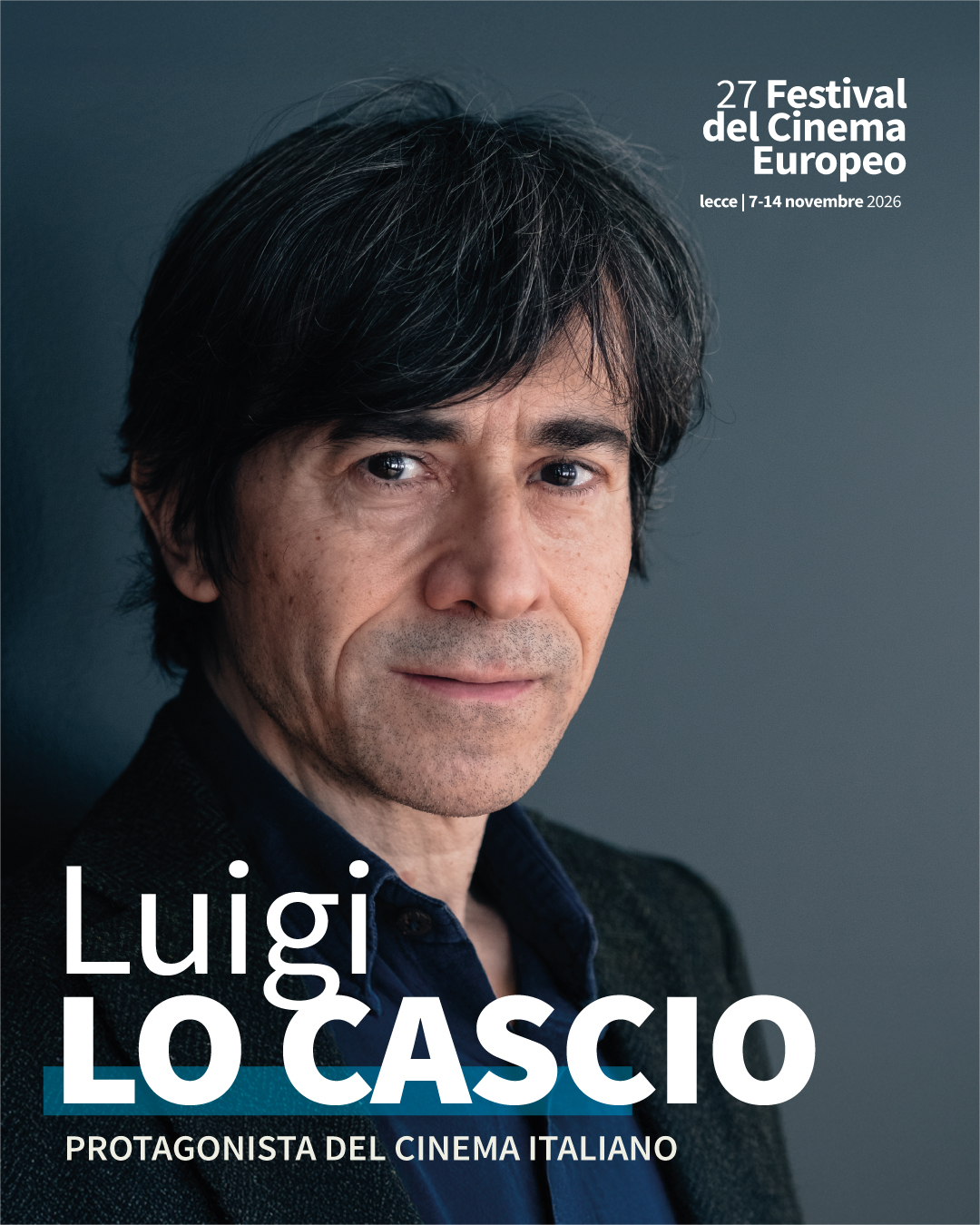
Luigi Lo Cascio is one of the most intense and commanding actors in contemporary Italian cinema. His career began with a debut destined to leave a lasting mark: he starred as Peppino Impastato in Marco Tullio Giordana’s *One Hundred Steps* (*I cento passi*), a performance that won him the David di Donatello for Best Actor in 2001 and immediately brought him to the attention of both the public and critics. That same year, he won the Volpi Cup for Best Actor for his performance in Giuseppe Piccioni’s *Light of My Eyes* (*Luce dei miei occhi*). Since then, Lo Cascio has built an artistic career defined by rigorous choices and collaborations with some of Italian cinema’s most important filmmakers. He starred—again under the direction of Giordana—in the family saga *The Best of Youth* (*La meglio gioventù*), which won an award in the *Un Certain Regard* section at the Cannes Film Festival. He has worked with Marco Bellocchio on *Good Morning, Night* (*Buongiorno, notte*), *The Traitor* (*Il traditore*), *Marx Can Wait* (*Marx può aspettare*), and *Lord of the Ants* (*Il signore delle formiche*); with Cristina Comencini on *The Best Day of My Life* (*Il più bel giorno della mia vita*) and *Don't Tell* (*La bestia nel cuore*); and on other projects that confirm his unique ability to tackle complex characters and themes. Throughout his career, he has also appeared in films such as Alessandro Piva’s *Mio cognato*; Daniele Luchetti’s *My Brother Is an Only Child* (*La nostra vita*) and *The Ties* (*Lacci*); Mario Martone’s *We Believed* (*Noi credevamo*); Paolo Virzì’s *Human Capital* (*Il capitale umano*); Roberto Andò’s *Strangeness* (*La stranezza*); and Gianni Amelio’s *Lord of the Ants* (*Il signore delle formiche*). Not to be overlooked are the film he both directed and starred in, *The Ideal City* (*La città ideale*), as well as the TV series *The Bad Guy* and Beppe Tufarulo’s *Il mestiere*. Alongside this, Lo Cascio has maintained strong ties to the theater—his original training ground—as well as to writing and directing, continually broadening the scope of his artistic journey.
Both actors will be awarded the *Ulivo d’Oro* (Golden Olive) for Lifetime Achievement, and the Festival will host a retrospective of their most significant films. This offers the audience a chance to revisit two careers that, through distinct cinematic styles and traditions, have helped define contemporary cinema. Jeremy Irons and Luigi Lo Cascio will also take part in public discussions, reflecting on key milestones in their artistic journeys, their relationships with the great filmmakers they have worked with, and the experiences that have shaped their careers.
The European Film Festival, conceived and produced by the "Art Promotion" Cultural Association, is realized with the support of the 2021-2027 Revolving Fund under Intervention Line 6.2 ("Enhancement and promotion of culture, creativity, and talent"—a public call aimed at supporting film and audiovisual festivals, showcases, and awards of regional, national, and international significance to be held in the region during the 2025–2027 period, organized by the Puglia Region’s Culture Economy Section) and with contributions from the Ministry of Culture (Directorate General for Cinema) and the Municipality of Lecce. Recognized by the Ministry of Culture as an event of "national interest" and a member of the Italian Film Festivals Association, the European Film Festival is held under the patronage of the Apulia Film Commission and in collaboration with the Centro Sperimentale di Cinematografia, S.N.G.C.I., FIPRESCI, S.N.C.C.I., and the Centro Nazionale del Cortometraggio.