
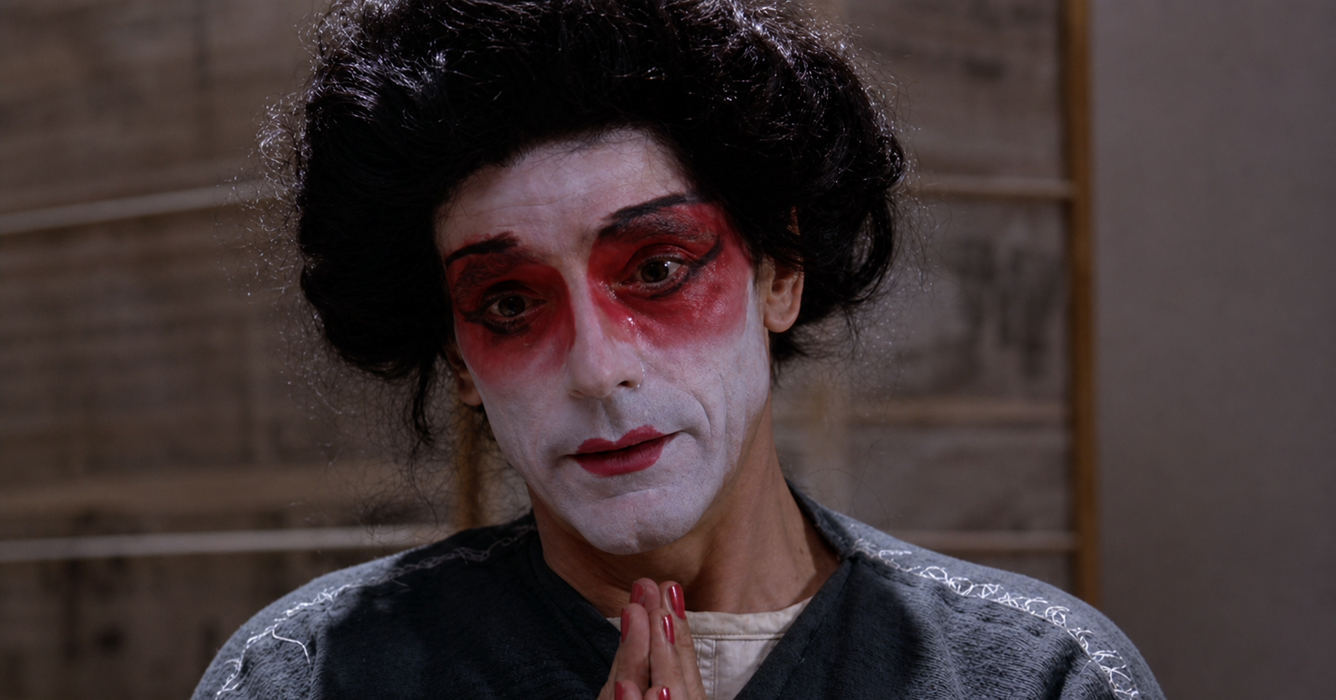
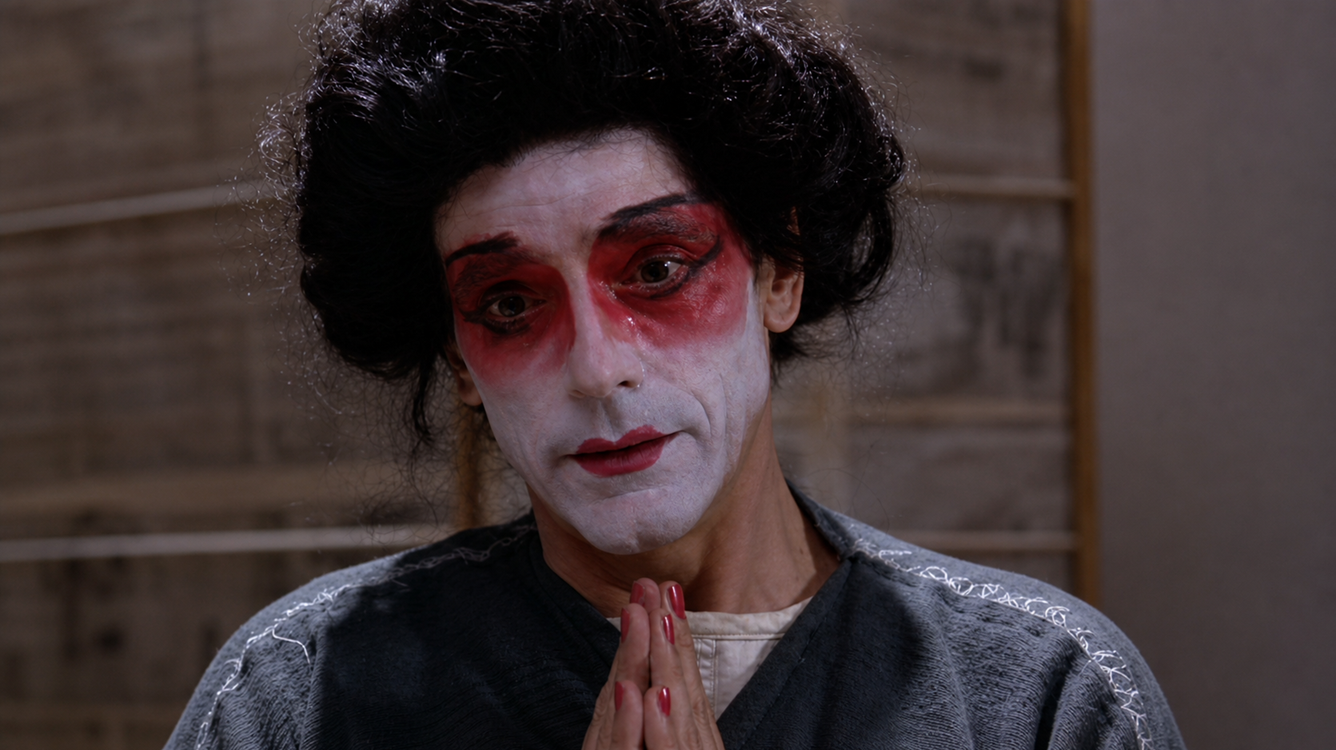
M. BUTTERFLY
Canada - 1993 – DCP – colore - 100’
PROTAGONIST OF EUROPEAN CINEMA
Jeremy Irons
➔ FRI 13 NOV | 6:00 PM | SCREEN 4
Direction: David Cronenberg
Screenplay: David Henry Hwang based on his play of the same name
Cinematography: Peter Suschitzky
Editing: Ronald Sanders
Production design: Carol Spier Music: Howard Shore
Costumes: Denise Cronenberg
Cast: Jeremy Irons (René Gallimard), John Lone (Song Liling), Barbara Sukowa (Jeanne Gallimard), Ian Richardson (ambassador Toulon), Annabel Leventon (Frau Baden), Shizuko Hoshi (comrade Chin), Richard McMillan (embassy colleague), Vernon Dobtcheff (agent Entancelin), David Hemblen (first secret agent), Damir Andrei (second secret agent), Antony Parr (third secret agent), Margaret Ma (Song’s maid), Maria Teresa Uribe (Butterfly), Peter Messaline (diplomat), Sean Newitt (ambassador’s assistant)
Producers: Gabriella Martinelli
Production: Geffen Pictures
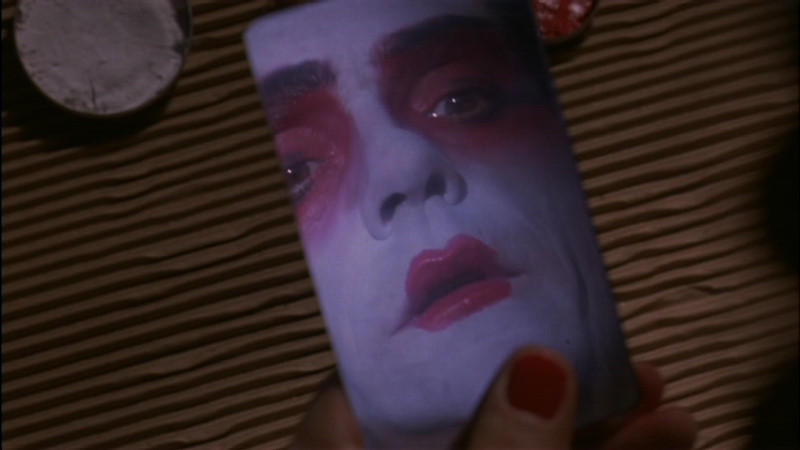
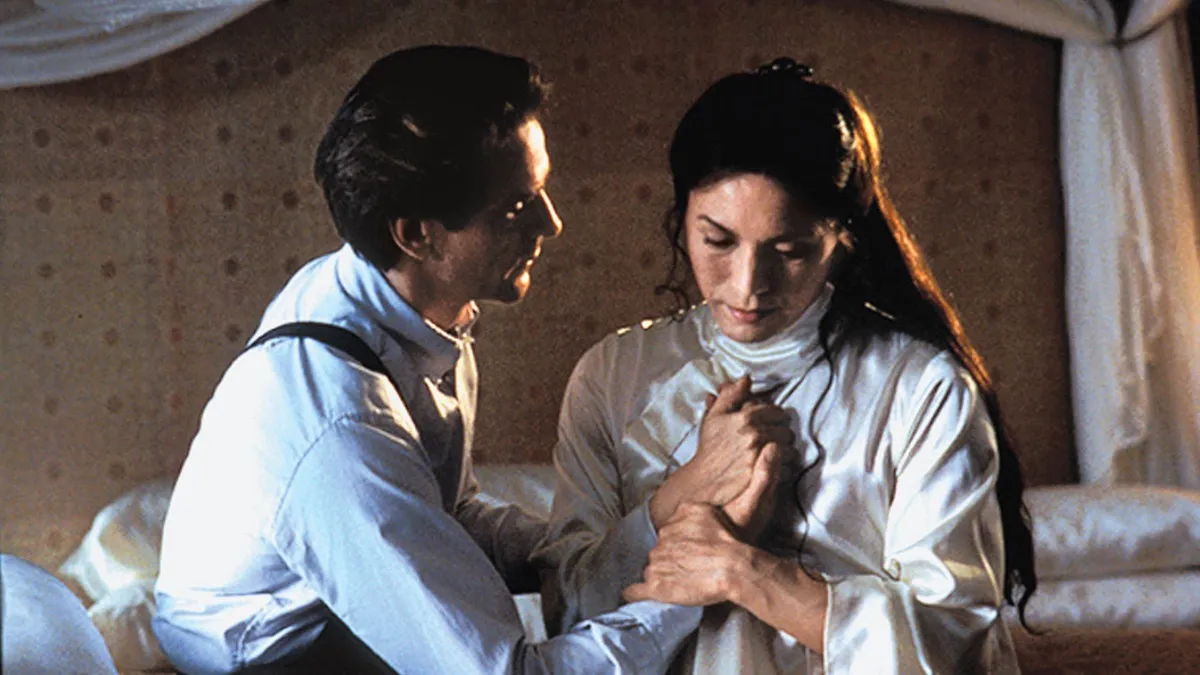
It is 1964, and René Gallimard is an official at the French Embassy in Beijing. After attending a performance of Madama Butterfly, he falls in love with Song Liling, the opera’s lead performer, and becomes romantically involved with her, neglecting his wife, Jeanne, and his friend Frau Baden, a member of the German Embassy staff. Song is a gentle, modest, and reserved woman who also helps René deepen his knowledge of Chinese culture. Thanks to the esteem and support of Ambassador Toulon, he rises to the position of vice-consul, much to the envy of his colleagues. His advice and opinions on the presence and policies of Westerners in Beijing are highly regarded, particularly as Mao Zedong is on the verge of consolidating absolute power. However, René fails to realize that he has fallen into an incredible trap: Song Liling is a man and, moreover, a spy for the Chinese secret service.
“M. Butterfly is, in its own way, a pivotal work in David Cronenberg’s cinematic career: the theme of mutation — of the redefinition of the self and the world surrounding the protagonist — discards its science-fiction, biological, or even strictly medical connotations and moves entirely into the realm of individual psychological perception. Through the subversion of Puccini’s tragic ideal lies a reflection on possession, on the masculine desire to subjugate the feminine, on colonialism, and on the contrast between a declining West and an East in a state of violent flourishing.”
(Raffaele Meale, Quinlan.it, 21 June 2018)
1993 Sant Jordi Awards: Best Foreign Actor